Mass Transit Advertising

    Mass Transit Advertising

    Maximize Your Reach with Mass Transit Advertising in Phoenix

    Overview

    Phoenix AZ Ad Agency offers effective mass transit advertising solutions designed to help businesses reach thousands of commuters daily across Phoenix. By leveraging high-visibility placements on buses, trains, and transit stations, your brand can create a lasting impression on a wide audience. With our five-star reviews and proven track record of success, we ensure that every campaign is optimized for maximum exposure.

    Mass transit advertising offers a unique opportunity to get your message in front of a captive audience. Whether you're promoting a new product, a service, or a local event, Phoenix AZ Ad Agency creates targeted campaigns tailored to your specific goals. Our experienced team manages the entire process, from creative design to strategic placement, ensuring your brand gets noticed by the right people in the right places.

    01

    High-visibility ad placements across buses, trains, and transit stations

    02

    Targeted campaigns reaching daily commuters in Phoenix

    03

    Full-service management from design to placement

    04

    Proven success with five-star client reviews and testimonials

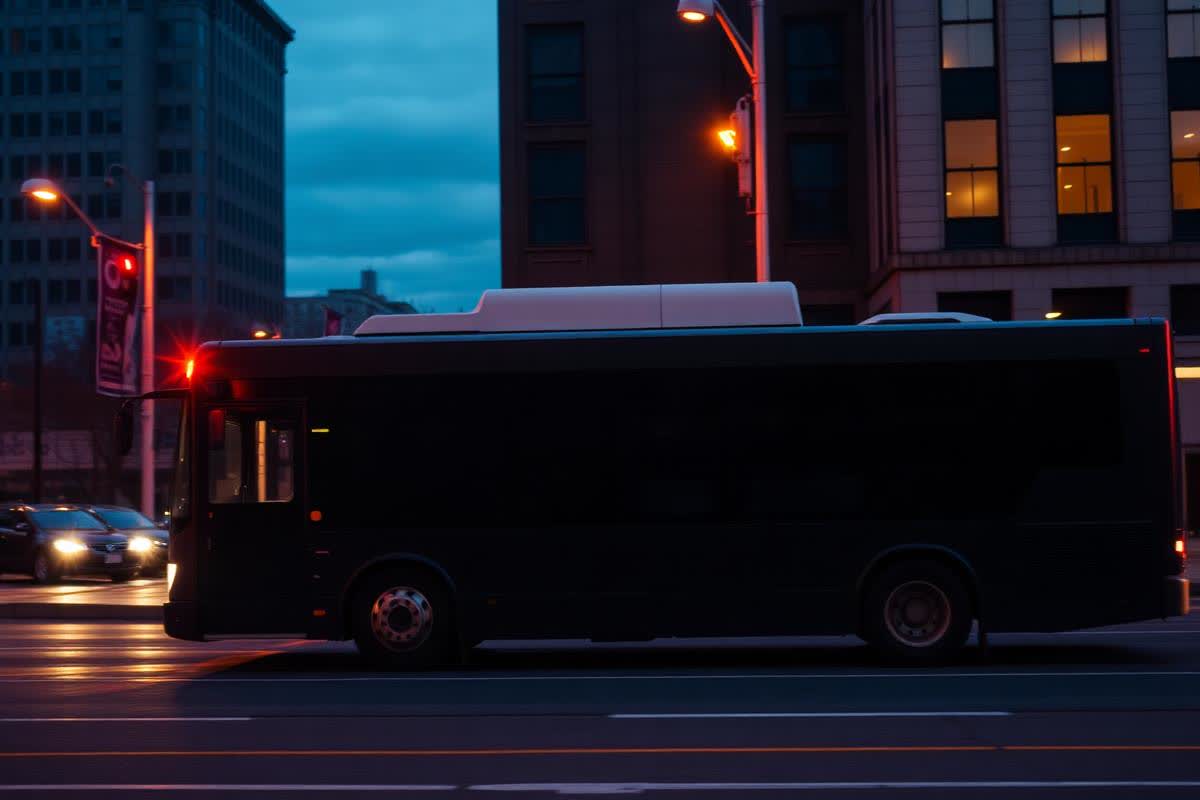
    City bus on a downtown street at dusk with a blank advertising panel
    01 / 06

    Transit advertising reaches the Valley where it moves

    Mass transit advertising puts your brand on the vehicles and platforms that move hundreds of thousands of people across the Phoenix metro every week. Valley Metro operates an extensive bus network plus a light rail line connecting Mesa, Tempe, downtown Phoenix, and the north central corridor, and every one of those vehicles is a moving advertising surface traveling the busiest streets in the region for eighteen hours a day.

    What makes transit different from other outdoor formats is the mix of audiences it reaches. A bus king panel is seen by drivers stuck alongside it in traffic, by pedestrians on the sidewalk, and by riders waiting at the stop. An interior card is read by a captive passenger with nothing else to look at for a twenty-minute trip. A rail platform poster reaches the same commuters twice a day, five days a week. Very few channels deliver that combination of mass reach and dwell time.

    We plan, buy, design, and manage transit campaigns end to end: choosing formats against your objective, negotiating routes and flight lengths, designing creative that works at each viewing distance, handling production and installation with the transit vendor, and tracking the campaign against your baseline demand.
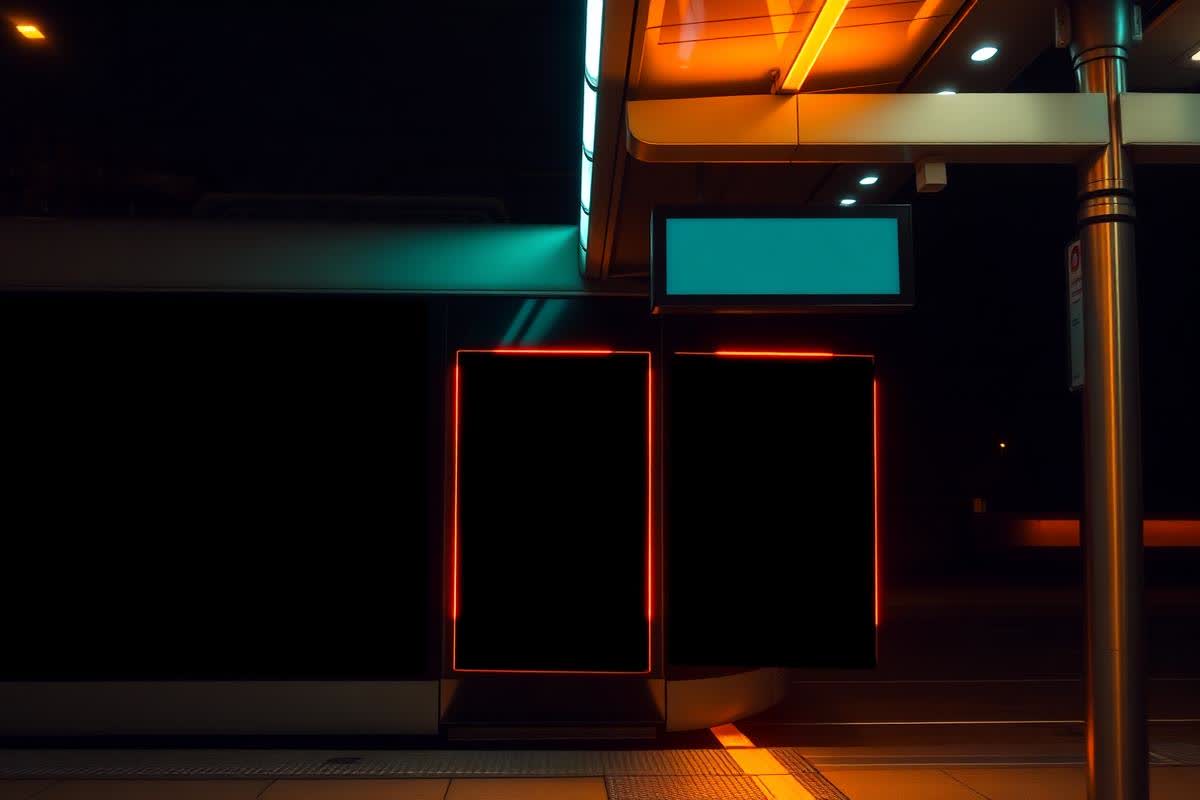
    Lit transit shelter and station displays at night
    02 / 06

    Transit formats and what each one is good for

    Bus king and queen panels are the large side placements running most of the vehicle length. They deliver the biggest exterior impact, travel fixed routes through defined neighborhoods, and are the workhorse of transit advertising for brand awareness.

    Bus tails and full bus wraps escalate from there. Tails hold the attention of every driver stuck behind the vehicle, which is the longest continuous read available in outdoor advertising. Full wraps turn the entire vehicle into a rolling landmark and are appropriate for launches, major campaigns, and brands with the budget to dominate a route.

    Interior cards, rail car interiors, and station and shelter posters work differently. These reach a seated or waiting audience with time on their hands, which means you can use more copy, explain an offer, include a QR code that people will actually scan, and target a specific station near your location. For clinics, colleges, restaurants, and employers hiring locally, station-level placement near the destination is often more valuable than broad route coverage.

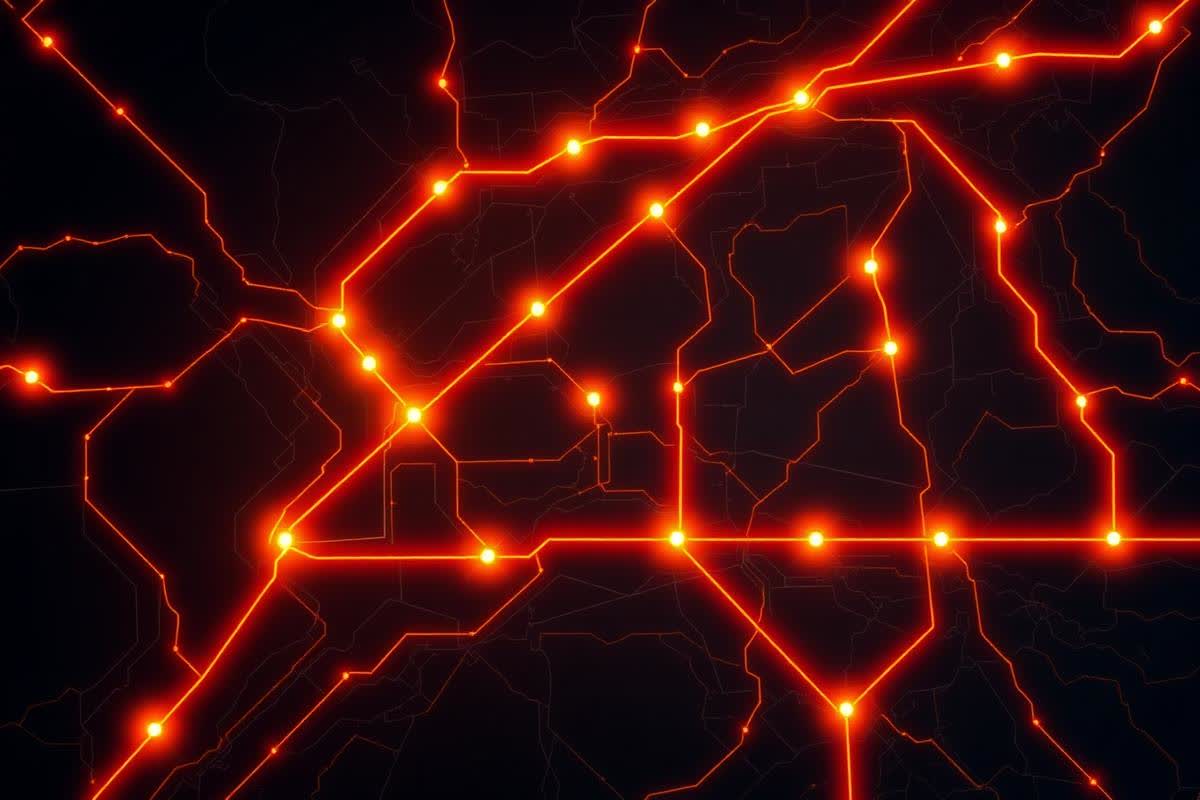
    Dark transit route map with glowing orange lines and station nodes
    03 / 06

    Route and station selection built around your customers

    Route selection is the strategic core of a transit buy. A bus route is a geographic commitment: the vehicle will travel the same corridor through the same neighborhoods all day, every day. Buying routes that run through your trade area concentrates frequency exactly where your customers live and work, rather than spreading impressions across a metro that is mostly irrelevant to you.

    We map your customer geography first, then match it against Valley Metro route paths, ridership data, and station traffic. A campaign for a Mesa dental practice belongs on East Valley routes and the light rail stations near it, not on a west side circulator. A hiring campaign for a distribution employer belongs on the routes that serve the neighborhoods where the workforce lives.

    Light rail deserves specific attention because it concentrates a young, dense, urban audience through downtown Phoenix, ASU in Tempe, and the Roosevelt Row and midtown corridors. For restaurants, entertainment, education, healthcare, and consumer brands aimed at that demographic, rail platform and interior placements are among the most efficient buys in the market.

    Designer laying out a large format transit ad in bold orange blocks
    04 / 06

    Creative that works at every viewing distance

    Transit creative has to solve two different problems at once. Exterior panels are read at distance, in motion, often partially obscured by traffic, and get a few seconds at most. They follow billboard discipline: a handful of words, one idea, extreme contrast, and a brand mark large enough to register in peripheral vision.

    Interior cards and platform posters get the opposite treatment. Riders are stationary, bored, and holding a phone. Here a QR code genuinely works, a headline plus three supporting lines is appropriate, and a specific offer with a deadline can be explained properly. Running the same artwork on both surfaces wastes the strength of each.

    We also design for the physical realities of the format: windows interrupting bus sides, curvature on rail cars, glare on platform glass, and the standard trim dimensions each vendor requires. Artwork produced without those specs in hand gets rejected or, worse, installed with the message cropped.

    Glowing orange bars representing transit campaign measurement
    05 / 06

    Measuring a transit campaign honestly

    Transit is bought for reach and frequency, but that does not make it unmeasurable. Before a flight we baseline branded search volume, direct website traffic, call volume, and where relevant, foot traffic, so the campaign can be judged against something concrete instead of a feeling.

    Interior and platform placements support direct response measurement well. Campaign-specific QR codes, unique landing pages, promo codes, and tracking numbers all fit naturally on a format the audience is reading at rest. Exterior panels are measured the way billboards are: lift in branded search and direct navigation across the flight window.

    We also layer digital over the physical buy. Geofencing the corridors and stations your campaign runs through means the same commuters who see the bus also see your ads on their phones, which reliably lifts response above what either channel produces alone.

    Glowing orange timeline markers representing campaign flight lengths
    06 / 06

    Budgets, flight lengths, and who transit is right for

    Transit advertising is typically sold in four-week increments with meaningful discounts for longer flights and multi-unit packages. Like all frequency media, it rewards patience: a twelve-week presence on a set of routes builds recognition that a single month cannot.

    The channel fits businesses that serve a broad local audience rather than a narrow niche. Healthcare systems and clinics, colleges and trade schools, restaurants and entertainment, staffing and hiring campaigns, legal and injury practices, utilities, public agencies, and consumer retail all get strong value. A specialized business-to-business manufacturer with twelve prospective buyers in the state does not, and we will say so.

    We also make sure the campaign has somewhere to land. A transit flight that drives people to a slow, dated website or an unanswered phone converts a large audience into a large missed opportunity, so we look at the whole path before recommending the spend.

    Our Process

    How we deliver mass transit advertising.

    01

    Audience and geography mapping

    We define who you need to reach and where they live, work, and travel, then translate that into candidate routes, stations, and neighborhoods.

    02

    Format and package selection

    King panels, tails, full wraps, interior cards, or station posters chosen against your objective and budget rather than by default.

    03

    Media negotiation and buying

    Routes, unit counts, flight length, and production costs negotiated with the transit vendor, including bonus inventory where available.

    04

    Creative development

    Separate exterior and interior creative built to each format spec, with distance-appropriate copy length and scannable calls to action where the audience is seated.

    05

    Production and installation

    Print production to vendor specifications, delivery scheduling, installation coordination, and posting verification.

    06

    Tracking and reporting

    Baseline and in-flight measurement of branded search, direct traffic, QR scans, and calls, with creative or route mix adjusted for subsequent flights.

    Scope

    What's included.

    12 deliverables
    Route, ridership, and station traffic analysis
    Format recommendation across bus, rail, shelter, and station inventory
    Media planning, negotiation, and contract management
    Bus king and queen panel design
    Bus tail and full vehicle wrap creative
    Light rail interior and platform poster design
    Interior card creative with QR and offer integration
    Print production to transit vendor specifications
    Installation coordination and posting verification
    Campaign landing pages and tracking numbers for attribution
    Baseline and in-flight performance reporting
    Coordinated geofencing across the same routes and stations
    Who It's For

    Arizona businesses we do this work for.

    Healthcare, clinics, and urgent care

    01

    Station and route placements near facilities that establish proximity and reach patients without cars, who are disproportionately transit riders.

    Talk to us

    Colleges, trade schools, and training

    02

    Light rail through the ASU corridor and downtown Phoenix reaches prospective students during enrollment windows better than almost any other local channel.

    Talk to us

    Staffing, hiring, and workforce campaigns

    03

    Routes serving residential neighborhoods put open positions in front of exactly the workforce you are trying to recruit.

    Talk to us

    Legal and injury practices

    04

    High-frequency exterior panels build the name recognition these categories depend on, across the corridors where their clients live.

    Talk to us

    Restaurants, retail, and entertainment

    05

    Station-level placements near the venue, with interior cards carrying an offer riders can scan on the spot.

    Talk to us

    Public agencies and community organizations

    06

    Broad, non-targeted reach across a genuinely representative cross-section of the metro population.

    Talk to us
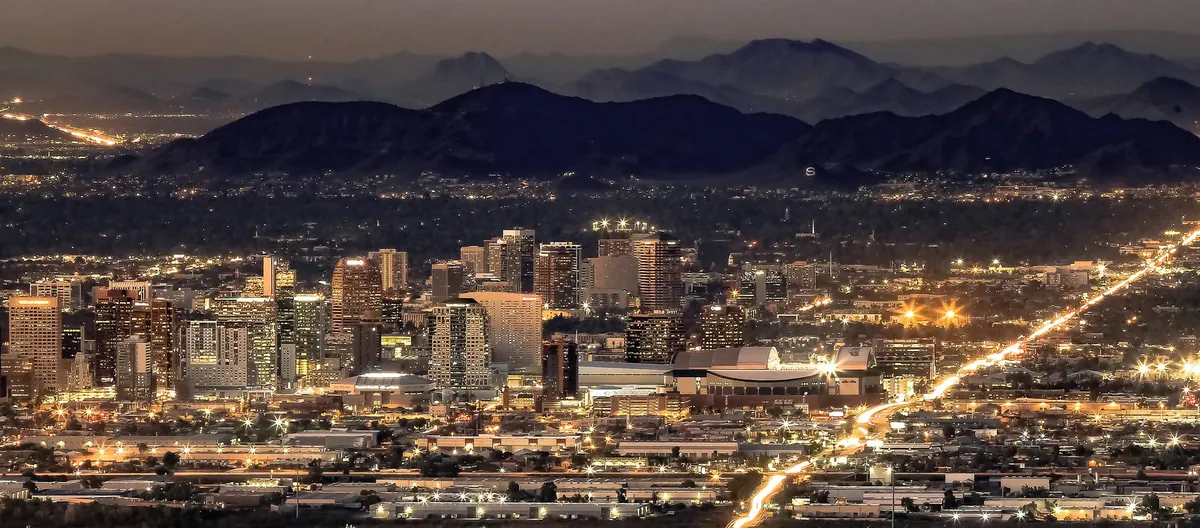
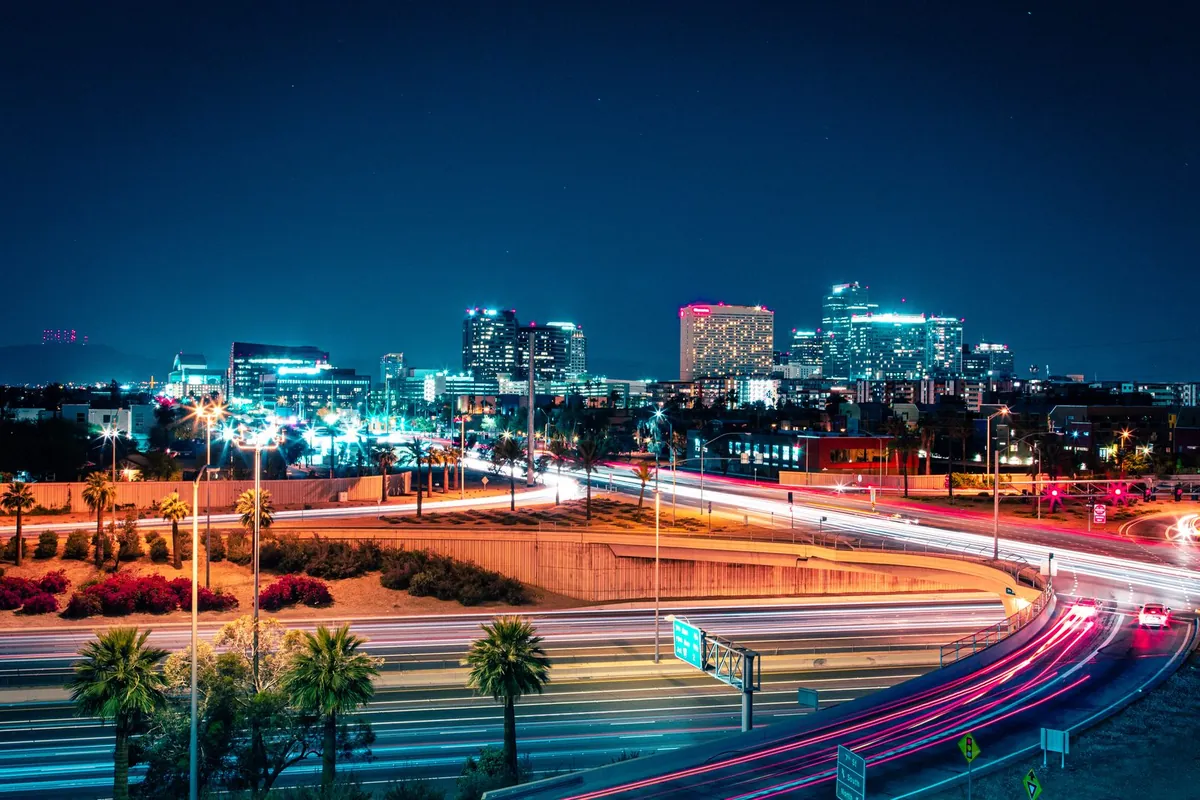
    Wide night view of the Phoenix valley with mountains on the horizonPhoenix freeway light trails at night with the downtown skyline behind
    Local Market

    Why transit advertising works in the Phoenix metro

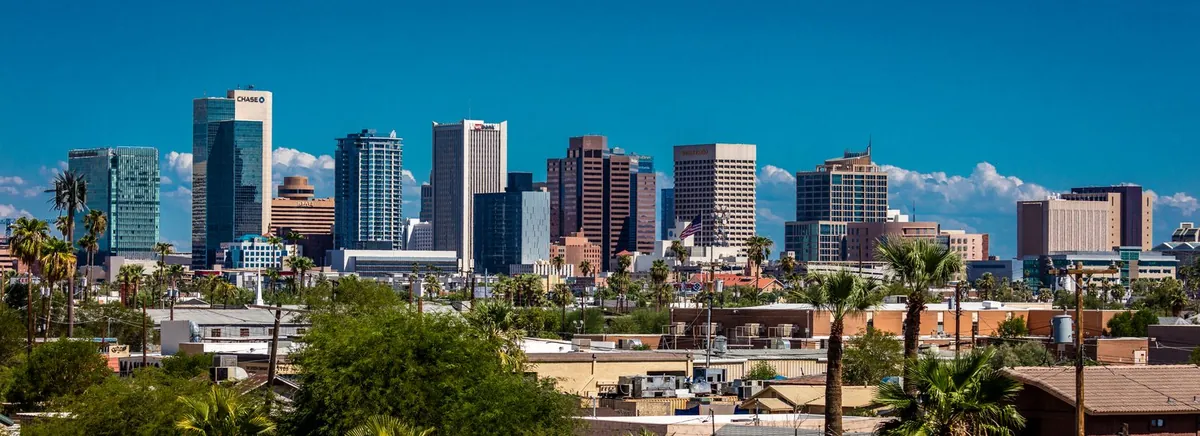
    Valley Metro runs one of the larger transit systems in the Southwest, with a bus network covering the core cities of Maricopa County and a light rail line linking Mesa, Tempe, downtown Phoenix, and the central corridor. Those vehicles travel the busiest arterial streets in the region continuously, which means transit advertising reaches drivers and pedestrians as much as it reaches riders.

    Seasonality

    The light rail corridor in particular concentrates audiences that are hard to reach efficiently anywhere else: ASU students in Tempe, downtown employees and residents, and the dense mixed-use development that has grown along the line over the past decade. For consumer brands, education, healthcare, and hospitality, that corridor is a market of its own.

    On the ground

    Phoenix traffic works in your favor here as well. Congested arterials and long signal cycles mean drivers spend real time beside and behind buses, converting exterior panels into extended reads rather than glances.

    On the ground

    And because the Valley keeps growing, transit ridership keeps expanding along with new residential development near the line. A campaign on these corridors reaches an audience that is still forming its habits about where to eat, where to get care, and who to call.

    Contact Phoenix AZ Ad Agency today to explore how mass transit advertising can boost your brand's visibility and impact across the city.

    FAQs

    Mass Transit Advertising FAQs You Need to Know

    Phoenix AZ Ad Agency

    For Campaign Design and Pricing

    Schedule a Consultation

    Book Your Appointment

    Phoenix AZ Ad Agency
    What kind of meeting?

    All times shown in your time zone. Phoenix hours: Mon–Sat, 7am–7pm, with 2 hours notice.

    Pick a meeting type and we'll show the next open times right away.

    Before we meet

    Bring your current numbers, what you've already tried, and a rough idea of your monthly budget. We spend the time on your business, not a sales pitch.

    Want a clear snapshot of your business first? Start with the Revenue Growth Planning Tool — it's the best first step.

    The Contractor ForgeAre you ready for the Forge?
    Visit The Forge
    Call Now (602) 641-8210